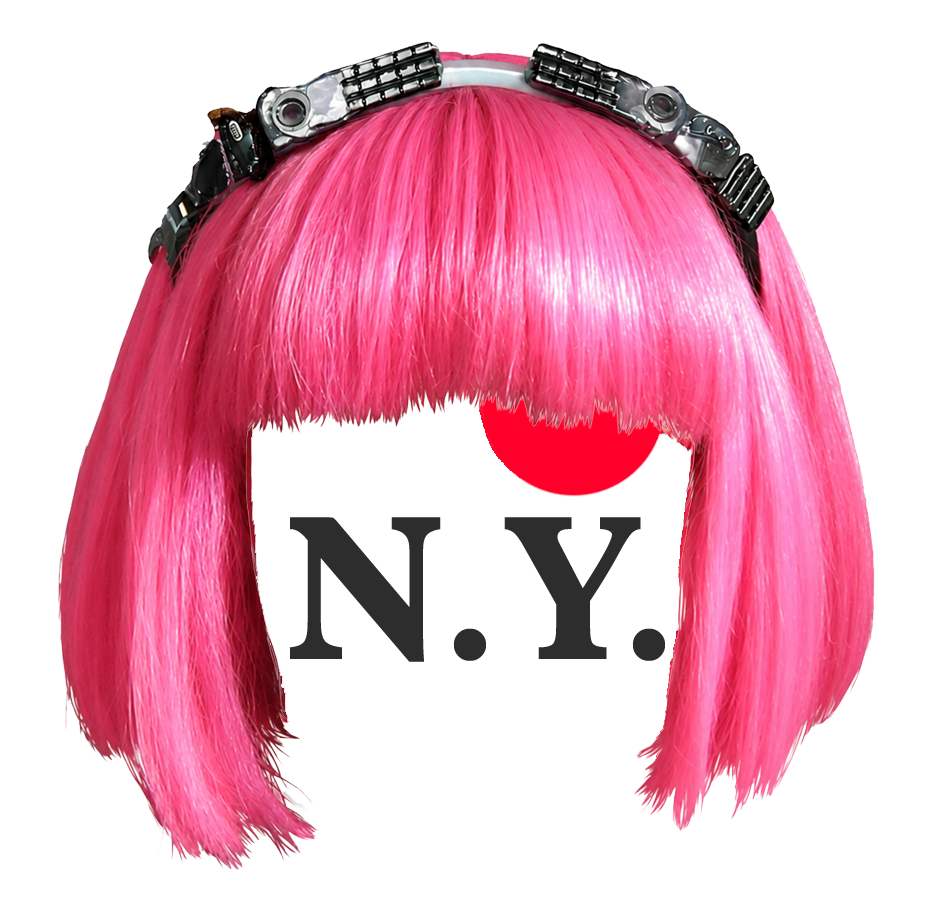
No Comment
Before it became content, the exhibition existed as an event.
A gathering. A rumour. A temporary concentration of people, objects and attention. Something that occurred in a specific place for a limited duration, and could not be fully contained by documentation.
No Comment returns to this condition.
At a moment when contemporary art circulates through predictable systems of production, display and documentation, the project proposes another mode of engagement grounded not in representation, but in presence, and not in interpretation, but in immediacy.
It emerges from the sense that artistic practice has become inseparable from the mechanisms that mediate it. Exhibitions are announced through familiar visual codes, recorded through established conventions, and circulated through repetitive online formats. Works enter a cycle of visibility before they are physically encountered.
The white cube remains the dominant framework for this condition. By neutralising context, it isolates the artwork from everyday contingencies in order to intensify attention and value. Yet this neutrality produces a controlled environment in which the terms of experience are largely predetermined.
No Comment seeks another register of attention.
Taking place within the unstable environment of a bus stop, the project embraces a condition defined by movement rather than contemplation, interruption rather than concentration, transience rather than permanence. Unlike the conventional exhibition space, this site cannot be fully controlled. Weather, traffic, ambient noise, passers-by, chance encounters and unforeseen circumstances become active participants in the work’s formation.
What emerges is less an exhibition than a temporary ecology of relations.
Works no longer function as isolated objects awaiting interpretation. Instead, they operate as elements within a constantly reconfigured field of bodies, gestures, voices and events. Meaning arises through unstable constellations rather than a fixed narrative structure.
The title, No Comment, should therefore not be understood as a refusal of meaning. Rather, it acknowledges the limits of commentary itself, and a hesitation toward interpretation.
Echoing Susan Sontag’s critique of interpretation, the project suggests that not every encounter requires immediate translation into discourse. Some experiences unfold prior to explanation through attention, duration and proximity.
Ultimately, No Comment proposes the exhibition itself as a work, a fragile composition produced collectively by artists, participants, strangers and situation. It appears briefly, stabilises for a moment, then disappears.
What remains is not a statement, but the trace of having been there.
Before it became content, the exhibition existed as an event.
A gathering. A rumour. A temporary concentration of people, objects and attention. Something that occurred in a specific place for a limited duration, and could not be fully contained by documentation.
No Comment returns to this condition.
At a moment when contemporary art circulates through predictable systems of production, display and documentation, the project proposes another mode of engagement grounded not in representation, but in presence, and not in interpretation, but in immediacy.
It emerges from the sense that artistic practice has become inseparable from the mechanisms that mediate it. Exhibitions are announced through familiar visual codes, recorded through established conventions, and circulated through repetitive online formats. Works enter a cycle of visibility before they are physically encountered.
The white cube remains the dominant framework for this condition. By neutralising context, it isolates the artwork from everyday contingencies in order to intensify attention and value. Yet this neutrality produces a controlled environment in which the terms of experience are largely predetermined.
No Comment seeks another register of attention.
Taking place within the unstable environment of a bus stop, the project embraces a condition defined by movement rather than contemplation, interruption rather than concentration, transience rather than permanence. Unlike the conventional exhibition space, this site cannot be fully controlled. Weather, traffic, ambient noise, passers-by, chance encounters and unforeseen circumstances become active participants in the work’s formation.
What emerges is less an exhibition than a temporary ecology of relations.
Works no longer function as isolated objects awaiting interpretation. Instead, they operate as elements within a constantly reconfigured field of bodies, gestures, voices and events. Meaning arises through unstable constellations rather than a fixed narrative structure.
The title, No Comment, should therefore not be understood as a refusal of meaning. Rather, it acknowledges the limits of commentary itself, and a hesitation toward interpretation.
Echoing Susan Sontag’s critique of interpretation, the project suggests that not every encounter requires immediate translation into discourse. Some experiences unfold prior to explanation through attention, duration and proximity.
Ultimately, No Comment proposes the exhibition itself as a work, a fragile composition produced collectively by artists, participants, strangers and situation. It appears briefly, stabilises for a moment, then disappears.
What remains is not a statement, but the trace of having been there.